


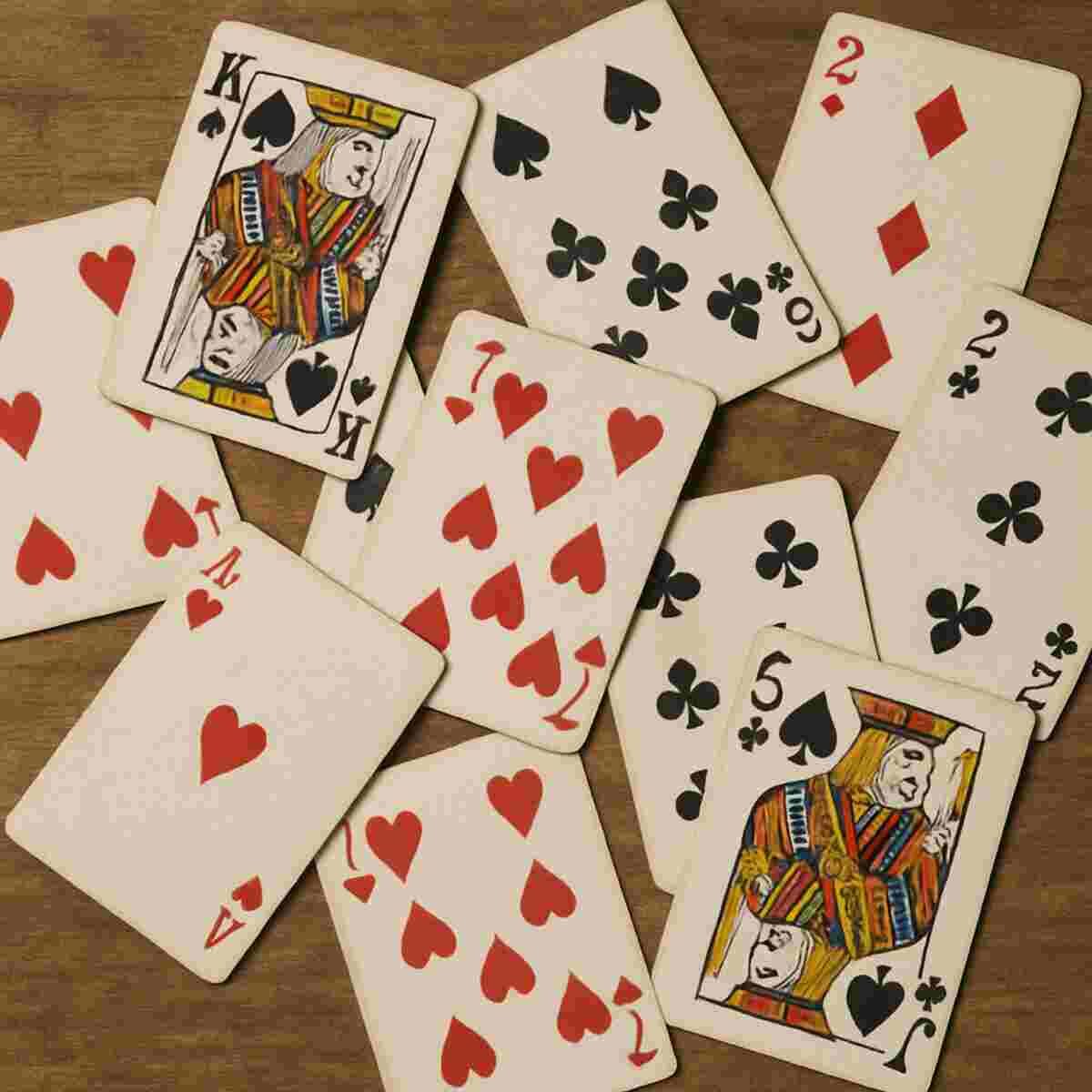

So, grab your deck of cards and let’s dive into the world of Pitch!
Pitch is a trick-taking card game that’s usually played with 2 to 6 players. The goal is to accumulate points by winning specific tricks and achieving objectives, such as high, low, jack, and the game itself. It’s a fun and strategic game that requires a mix of luck and skill. Check out TUTOR78 to know more
You might also like


The Origin and Popularity of Pitch
Pitch has a rich history that dates back several centuries, with roots in the American Midwest. It has evolved over time, adapting to various cultural influences and ruleset changes. Despite these changes, the core essence of the game has remained, making it a popular choice in households and social gatherings. Its simplicity, combined with strategic depth, ensures that it remains a timeless favorite.
Objective and Core Mechanics
At its heart, Pitch is about capturing specific cards to score points. Players strive to win tricks that contain high-value cards, including the all-important trump cards. The interplay between luck (the hand you’re dealt) and strategy (how you play your cards) makes each game unique. Understanding the core mechanics, such as the significance of the trump suit and the value of different cards, is crucial for success.
The Social Aspect of Pitch
One of the most appealing aspects of Pitch is its social nature. It brings people together, encouraging interaction and friendly competition. Whether you’re playing with family or friends, the game fosters communication, laughter, and sometimes, playful rivalry. It’s a great way to bond with others while engaging in a mentally stimulating activity.
How to Play Pitch
Setting Up the Game
Before you start, you’ll need a standard deck of 52 playing cards. If you’re playing with 4 players, you can remove the 2s through 6s to create a 32-card deck, which is more common in some variations.
Preparing the Deck
The preparation of the deck is essential for ensuring fair play. For traditional Pitch, the standard 52-card deck is used. However, in some variations, reducing the deck size by removing certain cards can alter the game’s dynamics and speed. This choice often depends on the number of players and the specific version of Pitch being played.
Dealing Cards
Each player is dealt six cards, and the rest of the deck is set aside. The dealer rotates each round to ensure everyone gets a chance to deal. This rotation maintains fairness and variety in gameplay, as each player has the opportunity to influence the game’s pace and progression.
Establishing the Play Area
A comfortable play area is vital for an enjoyable Pitch game. Ensure there’s enough space for all players to sit comfortably, with a clear view of the cards in play. A large table or flat surface works best, allowing everyone to participate actively without feeling cramped.
Bidding
Once the cards are dealt, the bidding phase begins. Players take turns bidding on how many points they think they can score in a round, starting with the player left of the dealer. The minimum bid is typically two, and the maximum is four. The player who bids the highest gets to choose the trump suit for that round.
Understanding the Bidding Process
The bidding process is a strategic element of Pitch. Players must assess their hands and predict potential outcomes before making their bids. This requires a keen understanding of the game’s dynamics and the ability to anticipate opponents’ moves. Successful bidding can set the tone for the entire round.
The Role of Trump Suit
Choosing the trump suit is a pivotal decision in Pitch. The trump suit has the power to override other suits, giving the winning bidder a significant advantage. Players must carefully consider their hand and the potential for high-point tricks when selecting the trump.
Strategic Bidding Tips
Effective bidding is crucial for winning Pitch. Players should avoid overbidding, which can lead to penalties if they fail to meet their bid. Conversely, underbidding can result in missed opportunities. Balancing risk and reward is key, as is paying attention to opponents’ bids for strategic insights.
Playing the Game

The player who won the bid leads the first trick by playing a card. Each player must follow suit if possible, or they can play a trump card to win the trick. The highest card of the lead suit or the highest trump card wins the trick.
Here’s what you’re aiming for:
- High: The highest trump card played.
- Low: The lowest trump card captured in a trick.
- Jack: The Jack of the trump suit.
- Game: Points are scored based on cards won in tricks, with face cards and 10s having point values.
Leading and Following Suit
The player who leads the first trick sets the tone for the round. Following suit is mandatory if possible, adding an element of predictability and strategy. Players must decide when to follow suit or when to break it by playing a trump card, weighing the potential impact on future tricks.
The Importance of Trump Cards
Trump cards hold significant power in Pitch. They can be used strategically to win crucial tricks and secure points. Players must decide when to deploy their trump cards for maximum effect, often saving them for pivotal moments when winning a trick is essential.
Goals and Objectives
Each round of Pitch focuses on achieving specific objectives. Players aim to capture high-value cards, including the High, Low, and Jack of the trump suit. Additionally, accumulating point-scoring cards contributes to the overall goal of winning the game. Balancing these objectives requires strategic planning and adaptability.
Scoring
After all the tricks are played, it’s time to tally up the scores. The player who won the bid scores points based on the High, Low, Jack, and Game. If the bid is met, they score those points. If not, they lose the number of points they bid.
Calculating Points
Accurate scoring is essential in Pitch. Each objective achieved in a round contributes to the player’s score. Understanding the point values of different cards and the significance of meeting or exceeding one’s bid ensures fair and transparent scoring.
Meeting and Exceeding Bids
Meeting the bid is crucial for positive scoring. If a player successfully achieves their bid, they earn points based on the objectives met. Exceeding the bid can result in additional points, rewarding players for taking calculated risks and making strategic plays.
Penalties for Unmet Bids
Failing to meet a bid results in penalties, adding a layer of risk to the game. Players must carefully consider their bids and play strategically to avoid losing points. This risk-reward dynamic is a core aspect of Pitch, influencing players’ decisions throughout the game.
Exciting Variations of Pitch
Pitch has many variations, each adding its own twist to the game. Let’s explore a few popular ones.
10-Point Pitch
This version ramps up the excitement by allowing bids up to 10 points. In 10-Point Pitch, additional points are awarded for capturing specific cards such as the Ace, King, Queen, and 10 of the trump suit.
Expanded Scoring Opportunities
10-Point Pitch introduces additional scoring opportunities, enhancing the game’s complexity. Players can earn points for capturing high-value cards, increasing the potential for dramatic comebacks and strategic plays. This variation adds depth and excitement to the traditional game.
Strategic Implications of Higher Bids
With the potential for higher bids, players must carefully assess their hands and weigh the risks and rewards of aggressive bidding. This variation requires heightened strategic thinking, as players navigate the balance between ambition and caution.
The Competitive Edge
10-Point Pitch often results in more competitive gameplay, as players vie for higher scores and aim to outmaneuver their opponents. The increased potential for points creates an environment where every card played can significantly impact the outcome.
Cutthroat Pitch
In this cutthroat variation, it’s every player for themselves, with no partnerships. Bidding and scoring remain the same, but each player is their own team, making it a competitive and thrilling game.
Individual Strategy
Cutthroat Pitch emphasizes individual strategy, as players must rely solely on their skills and judgment. Without partnerships, players face unique challenges and opportunities, requiring adaptability and keen observation.
The Element of Surprise
In Cutthroat Pitch, the absence of partnerships introduces an element of surprise, as players cannot predict their opponents’ moves based on alliances. This unpredictability adds excitement and keeps players on their toes, enhancing the thrill of the game.
Enhanced Player Engagement
With each player competing independently, engagement and intensity increase. Players must remain alert and responsive, making quick decisions and adapting their strategies as the game unfolds. This heightened engagement ensures a dynamic and immersive experience.
Partnership Pitch
In Partnership Pitch, players team up in pairs. Partners sit opposite each other, and they work together to win tricks and score points. Communication and strategy become key, as partners must anticipate each other’s moves.
The Power of Collaboration
Partnership Pitch highlights the power of collaboration, as players work in tandem to achieve their goals. Effective communication and coordination are essential, allowing partners to leverage their combined strengths and make strategic plays.
Developing Team Strategies
In this variation, developing team strategies is crucial for success. Partners must anticipate each other’s moves, communicate subtly, and adapt their plays based on their partner’s actions. This fosters teamwork and strengthens bonds between players.
Balancing Individual and Team Goals
While collaboration is vital, players must also consider their individual objectives. Balancing personal goals with team strategy requires careful planning and adaptability, adding depth and complexity to the gameplay.
Auction Pitch
Auction Pitch introduces an auction-style bidding process. Players can bid on how many points they think they can make, and the highest bidder gets to call the trump suit. This version adds an extra layer of strategy and competition to the game.
The Dynamics of Auction Bidding
Auction Pitch elevates the traditional bidding process by introducing an auction element. Players must carefully assess their hands and outbid opponents to secure the trump suit. This dynamic bidding process requires strategic thinking and keen observation of opponents’ behavior.
Strategic Trump Selection
In Auction Pitch, the ability to choose the trump suit is a significant advantage. Players must strategically select the suit that maximizes their potential for winning tricks and scoring points, considering both their hand and their opponents’ potential strategies.
Heightened Competition
The auction-style bidding creates a heightened sense of competition, as players vie for control and aim to outmaneuver their opponents. This added layer of strategy enhances the game’s complexity and excitement, providing a fresh challenge for experienced players.
Tips for Winning Pitch
Now that you know the rules and variations, here are some tips to help you master Pitch and impress your fellow players:
Pay Attention to Bids
Listen carefully to how others bid. It can give you clues about their hand and help you decide your strategy.
Reading Opponents
Observing opponents’ bidding behavior can provide valuable insights into their strategies and hand compositions. By paying close attention to their bids, you can anticipate their moves and adjust your strategy accordingly, gaining a strategic advantage.
Adapting Your Strategy
Flexibility is key in Pitch. As you gather information from opponents’ bids, be ready to adapt your strategy to counter their plans. This adaptability allows you to seize opportunities and respond effectively to changing dynamics.
Anticipating Future Moves
By understanding opponents’ bidding patterns, you can anticipate their future moves and plan your plays accordingly. This foresight enables you to make informed decisions and capitalize on potential weaknesses in their strategies.
Remember the Cards
Keep track of the cards played, especially trump cards. This helps you predict what others might have and plan your plays accordingly.
Tracking Played Cards
Keeping a mental note of the cards that have been played is crucial for strategic planning. This awareness helps you gauge the likelihood of certain cards remaining in opponents’ hands, influencing your decisions and plays.
Predicting Opponents’ Hands
By tracking played cards, you can make educated guesses about opponents’ hands. This insight allows you to anticipate their moves and adjust your strategy to maximize your chances of success.
Planning Future Tricks
Knowing which cards have been played enables you to plan future tricks more effectively. This foresight helps you make strategic plays that align with your objectives, increasing your chances of winning key tricks.
Play to Your Strengths
If you have strong high cards, aim to win those tricks. If you have low cards, focus on capturing the Low point.
Leveraging High Cards
High cards can be powerful assets in winning tricks and achieving objectives. Use them strategically to secure crucial points and gain a competitive edge over opponents.
Capturing Low Cards
Low cards can be equally valuable, especially when aiming to capture the Low point. Identify opportunities to play low cards strategically, enhancing your overall score and positioning yourself for success.
Balancing High and Low Plays
Balancing high and low card plays is essential for a well-rounded strategy. By leveraging both types of cards effectively, you can adapt to changing dynamics and maximize your scoring potential.
Communicate in Partnerships
If playing with a partner, subtle hints and strategic plays can help you work together effectively.
Establishing Communication Signals
Developing subtle communication signals with your partner can enhance your teamwork and coordination. These signals allow you to convey information about your hand and intentions, facilitating strategic plays.
Anticipating Partner’s Moves
Anticipating your partner’s moves and intentions is crucial for effective collaboration. By understanding their strategy and preferences, you can align your plays and work together to achieve common goals.
Strengthening Partnership Bonds
Effective communication and collaboration strengthen the bonds between partners, fostering a sense of camaraderie and teamwork. This synergy enhances your overall performance and enjoyment of the game.
Conclusion
Pitch is a versatile and engaging card game that can be enjoyed in various forms. Whether you’re playing the traditional version or experimenting with one of the exciting variations, the key is to have fun and enjoy the camaraderie with your fellow players.
Now that you’re equipped with the rules and strategies, it’s time to shuffle the deck and deal some cards. Happy playing!
Embracing the Spirit of Pitch
Embrace the spirit of Pitch by focusing on enjoyment and camaraderie. Whether you’re playing competitively or for fun, the game’s true value lies in the connections and memories it creates.
Exploring New Variations
Experimenting with different variations of Pitch can enhance your experience and introduce new challenges. Each variation offers unique dynamics and strategies, keeping the game fresh and exciting.
Sharing the Joy of Pitch
Share the joy of Pitch with friends and family, introducing them to this timeless card game. Whether you’re teaching newcomers or playing with seasoned players, Pitch offers endless opportunities for fun and connection.